I bought my first blender in nursing school for $30 and it died inside a month. I bought my second one because it was small and cute, and my neighbor knocked on my door to ask what the jet engine was. I bought my third because a roundup rated it number two, and it crushed ice beautifully for about 25 blends before everything started coming out chewy. I call those grainies, and that word is the whole reason this site exists.
Since I opened Pulp Cove, a six-stool smoothie stand in Portland, blenders stopped being appliances and became payroll. I blend breakfast at 6 a.m. and an afternoon veggie smoothie every single day, so I have burned through more machines than most people will own in a lifetime. That is why I sort blenders and juicers by one question: does it still make a velvety drink at blend 26? This comparison covers four very different answers to that question, three blenders and one cold press juicer, and the useful thing to figure out is not which one is best. It is which one fits your countertop, your routine, and your patience for cleanup.
Related: Why Blades Dull and Smoothies Turn Grainy
For most people, the NutriBullet Special Edition Pro 900 is the right first machine, because most of us blend one drink at a time and a 64 oz pitcher is a curse for a single person. If you blend twice a day, every day, the Vitamix Explorian is the one that will still be on your counter in five years. The Cleanblend sits in the middle with the longest warranty of the group, and the cold press juicer is a different job entirely, which is exactly why it belongs in this conversation.
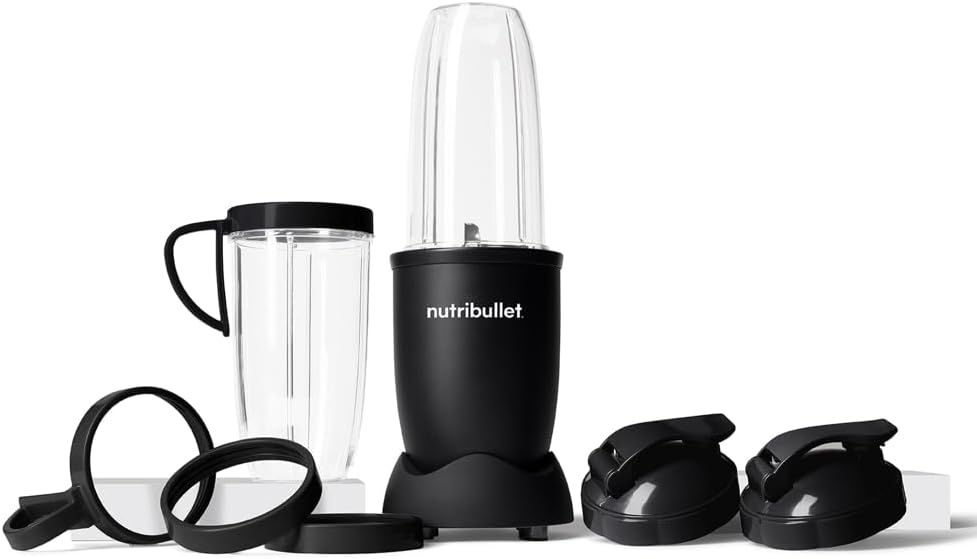
NutriBullet Special Edition Pro 900
The easiest machine here to live with daily: one cup, one rinse, no pitcher to scrub
Connection points between base and cup wear out, and it is loud

Cleanblend Commercial Blender with 5-Year Full Warranty
Full-batch capacity, serious motor, and the longest warranty in this group
A 64 oz pitcher is a lot of machine for one person, and it is loud
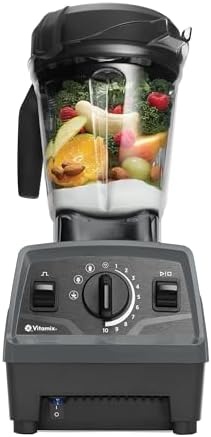
Vitamix Explorian with Programs, Slate (Renewed Premium)
Nothing to dull, preset programs, and texture that holds up over years
Foamier than you expect, it warms the drink, and renewed means renewed
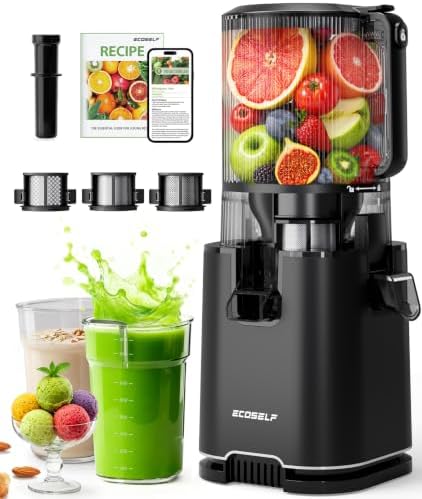
Cold Press Juicer Machines
Squeezes noticeably more out of greens, and it is quiet enough for 6 a.m.
Juice has no fiber, and there are more parts to wash
Prices and availability were captured from Amazon Creators API and may change.
The checks I run before a machine earns counter space
Every machine that comes through my kitchen gets the same five checks. I wrote them down because "premium" is not a spec and "commercial" is not a measurement.
- Frozen fruit and ice on blend one. If I can feel a chunk, it fails, and I do not care how many watts the box promises.
- Blend 25. This is where blades start giving up. The smoothie that comes out at blend 26 tells you more about the next two years than any spec sheet.
- Noise at full power. I keep a decibel meter on the counter, because "apartment friendly" gets printed on machines that sound like small aircraft.
- A full batch with the lid on. If the lid pops when the pitcher is loaded the way a real kitchen loads it, that machine is out.
- Every part, apart. If I cannot disassemble it and put the pieces in the dishwasher, it is a machine I will quietly stop using by week three.
NutriBullet Special Edition Pro 900: the one-cup machine
The Pro 900 is what I recommend to anyone who drinks one smoothie a day and has about 14 inches of free counter. It is a personal blender in the classic sense: fill the cup, twist it onto the base, blitz, drink out of the same vessel. Cleanup is a rinse and a shake with soapy water, which sounds trivial until you have owned a 64 oz pitcher and scrubbed its corners at 6 a.m.
Where it wins is routine fit. I once had a customer on a liquid diet who needed a protein shake in 30 seconds flat, and a personal blender is built for exactly that. Portion control is easier too. You cannot accidentally make 72 ounces for one person, which is a mistake I have made and frozen the leftovers of.
Where it loses is durability and noise. The connection points between the base and the cup are the failure point on every personal blender I have owned, and when they wear, the cup wobbles on the base while it blends. Noise is the other cost. My Magic Bullet season ended when my neighbor knocked on the door and asked what the jet engine was, and this machine is the same family of sound. Blend before 7 a.m. in an apartment and you will learn how thin your walls are.
One more thing: aeration. Fast single-serve blending whips air into protein shakes, and you can end up with a drink that is a third foam. If you want a dense shake, pour it and give it a minute.
Cleanblend Commercial Blender: the pitcher with the five-year warranty
Cleanblend's pitch is a stack of numbers: 1800 watts, 3 horsepower, a 64 oz pitcher, stainless steel blades, and a five-year full warranty. I care about one of those, and it is the last one. Blades dull. Every blade dulls. The question is whether it happens after 25 blends or after five years, and a five-year full warranty is the closest thing to an answer you can buy.
The 64 oz pitcher is the honest trade-off. On a Sunday batch prep, that size is a gift. I can blitz a week of frozen mango and spinach in two runs instead of six, and that is the difference between prepping and giving up. For one person making one smoothie, the same pitcher is a curse. It is more to fill, more to clean, and more countertop real estate than most apartments can spare, and it needs clearance under the cabinets when you set it down.
Power-wise, this class of machine handles frozen fruit and ice without the stalling and the tamping you learn to do on weaker motors. Expect it to be loud, because anything with this much motor in it is loud. Also seat the lid properly before a full batch, or you will find out why I always run a full pitcher before I trust a machine with my mornings.
Vitamix Explorian with Programs, Slate (Renewed Premium): the daily-blend answer
Here is the thing nobody tells you about a Vitamix. It does not blend with sharp blades. It blends with power and speed, which means there is nothing to dull. That is the entire argument for the price. My Ninja was brilliant on day one and chewy by blend 25, and a Vitamix is the machine I eventually bought so I could stop having that conversation with myself every few months.
The Explorian with Programs adds preset programs, and that changes how you use it. On a rushed morning I want a 30-second blitz, and honestly a cheap machine still wins that particular race. On a morning when I am prepping for the stand, I want to load the pitcher, press a program, and walk away to answer the door, and that convenience is worth real money. It also handles jobs a blade-based machine will not: nut butters, flour, and thick frozen blends that stall a weaker motor.
Two honest costs beyond the purchase. First, aeration. A Vitamix whips air into a smoothie more than you expect, and a green smoothie can come out with a head of foam on it. Second, heat. Run it for a full minute and the drink comes out warmer than it went in, which matters if you are blending for a kid or for something you plan to drink cold.
The Renewed Premium part deserves a careful read. Renewed means refurbished, so the packaging, the included accessories, and the warranty terms are not the same as a new unit. That can be the smartest way into this class of machine, and it can also be a surprise if you assume new in box. Check what the listing says is included and what the warranty actually covers before you click.
Cold Press Juicer Machines: not a blender, and that is the point
A cold press juicer does not belong in a blender comparison, and I am putting it here anyway, because people shop these two categories in the same week and then get surprised. A cold press machine crushes and squeezes produce slowly, without the heat a fast spinning blade generates. The slowness is the feature. It gets noticeably more liquid out of greens than a centrifugal juicer, the pulp comes out dry, and the process is quiet enough to run at 6 a.m. without apologizing to anyone.
What it is not is a smoothie machine. Juice has no fiber. I drink smoothies specifically to keep the fiber, which is the whole reason I blend fruit instead of juicing it, so for me a juicer supplements a blender rather than replacing one. It also will not touch frozen fruit or ice, so if your morning is frozen berries and yogurt, this is the wrong category entirely.
The practical cost is prep and cleanup. Cold press machines want produce cut to size, they run slowly by design, and they have more parts than a blender, which means more minutes at the sink. If you juice greens daily, the yield and the quiet are worth it. If you juice once a month, you will resent the disassembly. One note from a machine I owned: when the manual skips the disassembly sequence, you figure it out, but you should not have to.
Noise, aeration, and countertop real estate
Noise is the spec nobody prints, and it is the one your household notices. Personal blenders are the loudest per ounce of smoothie, because the motor sits inches from your hand and there is no housing to absorb anything. Full-size machines are loud too, but at a lower pitch, which is easier to live with. The cold press juicer is the quiet one here, and if you share a wall with someone, that matters more than any wattage number.
Aeration is the other invisible difference. Fast machines whip air into drinks. That is great for a light green juice texture and terrible for a protein shake you wanted dense. If your goal is a thick shake, blend shorter, and let the drink sit for a minute before you pour it.
Countertop real estate is the quiet dealbreaker. A 64 oz pitcher needs cabinet clearance and a footprint you will not want to move twice a day. A personal blender is roughly the size of the cup you were going to drink from anyway. In a small kitchen, the machine that stays out is the machine you actually use, and the one that lives in a cabinet is the one you stop using by March.
Last, dishwasher claims. I check every part myself, including the base, which is never dishwasher safe no matter what the listing photo implies. If the pitcher, the lid, and the blade assembly all go in, that is a real convenience. If only some of them do, plan accordingly.
Which one fits your routine
One drink a day in a small kitchen: the NutriBullet Special Edition Pro 900. It is the least complicated machine here, it cleans in under a minute, and it does not ask for counter space you do not have.
Two or more blends a day, every day, for years: the Vitamix Explorian with Programs. You are paying to stop thinking about blade wear, and the preset programs are genuinely useful when your hands are full.
Weekly batch prep for a family, or a stand, or a freezer full of portions: the Cleanblend. The 64 oz pitcher and the five-year full warranty are the two features that matter when you blend in volume.
Daily greens juice, and you already own a blender: a cold press juicer. Buy it for yield and quiet, not for smoothies, and keep your blender for anything frozen.
What I am watching next
I am running the 25-blend durability test on five machines at once, logging every batch with a decibel meter and tasting for grainies after each one. The Saturday rush at the stand doubles as the stress test, which is the closest thing to a lab I have. When I have 25 blends logged on each machine, I will update this comparison. If one of them turns chewy before then, you will read about it here first.