I have made more than 40 smoothies before 9 a.m. on a Saturday, back when my stand was six stools and a line out the door. Before that I was an ER nurse blending two smoothies a day for years, which means I have owned the cheap machine that died inside a month, a Magic Bullet my neighbor mistook for a jet engine, and a Ninja BL610 that crushed ice beautifully until about blend 25, when everything started coming out chewy. That is why this site exists. So when I line up blenders and juicers for smoothies, I am not comparing feature lists. I am comparing what your breakfast tastes like in March, on the morning you are already running late.
The short answer: the Ninja UltraCrush BP201 is the machine I would buy for a household that blends daily, and the Consciot CB10 is the one I would buy for a small kitchen on a small budget. The EanOruus 3-in-1 cold press is the pick if greens are the point and you juice often enough to justify the cleanup. The Lilogi portable cup is the one that goes in a bag. The long answer is about texture, noise, countertop real estate, and which parts wear out first.
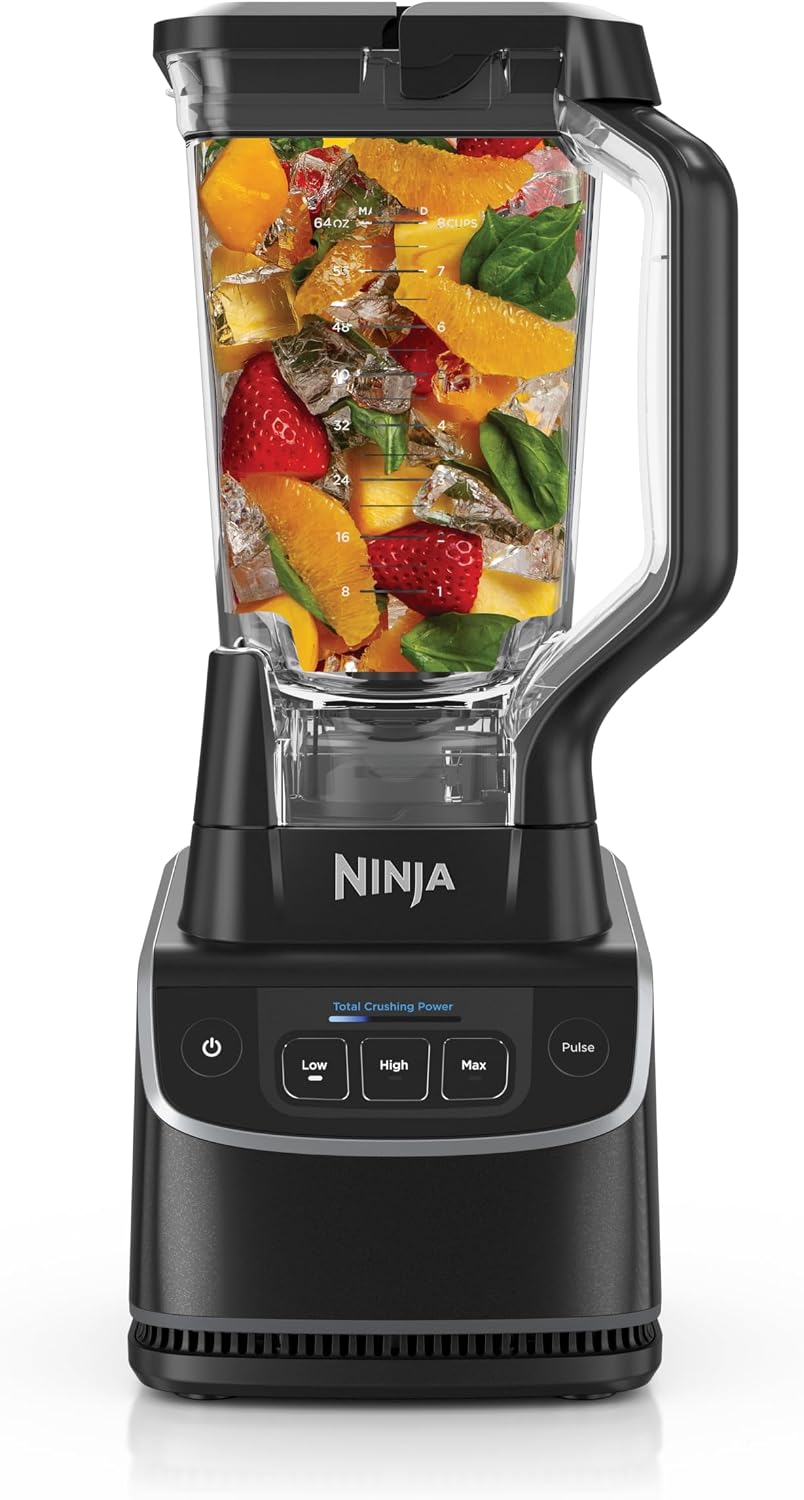
Ninja UltraCrush Professional Blender, 1000W, 72oz Pitcher, 3 Speeds, BP201
1000 watts and a 72 oz pitcher with three speeds, the closest thing in this group to a batch machine
72 oz is a lot of counter for one person, and Ninja blades are the ones I have personal history with dulling
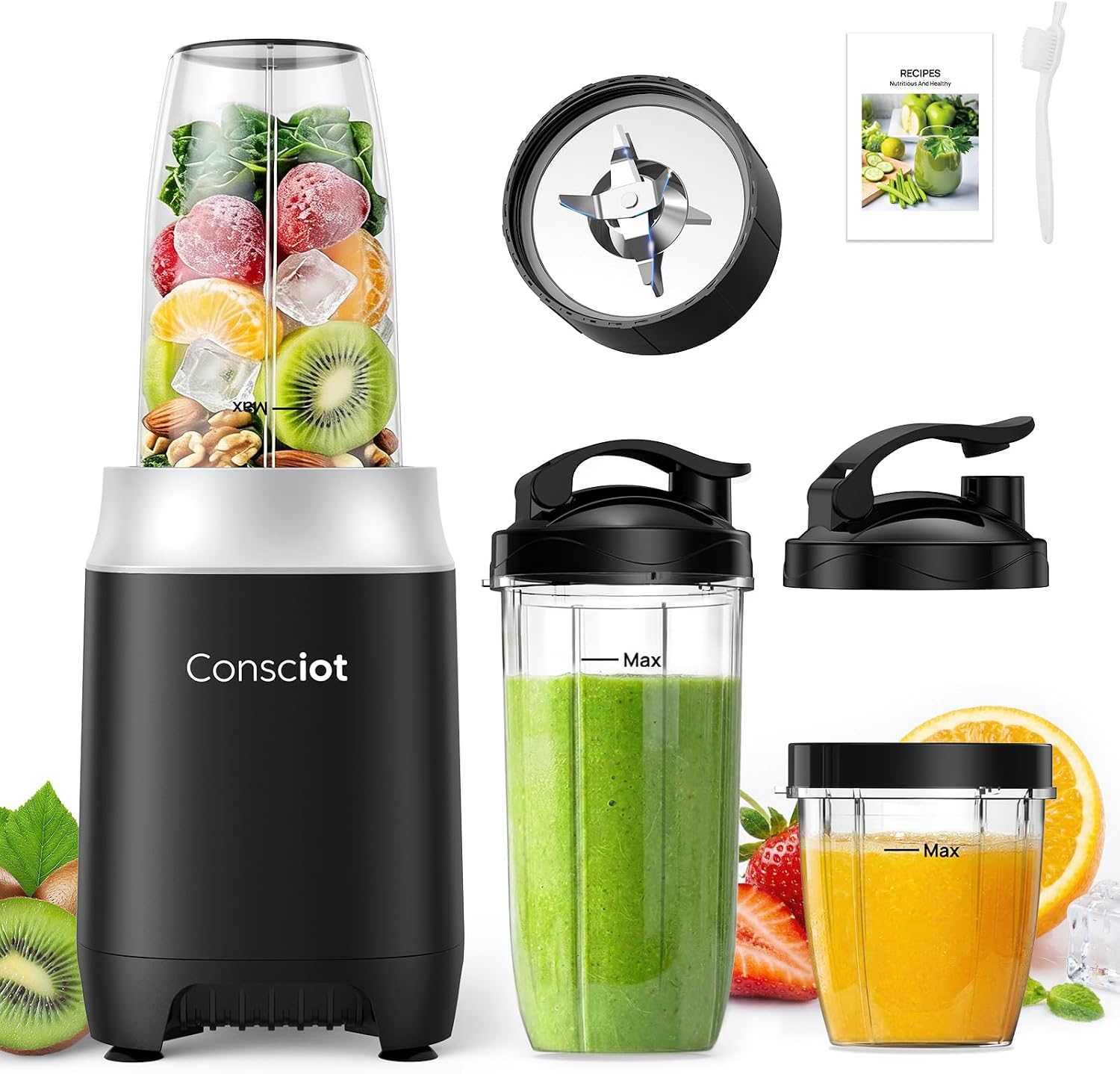
Consciot CB10 11Pcs Personal and Countertop Blender Combo, 900 Peak Watts
An 11-piece kit with personal cups and a countertop pitcher, at a personal-blender footprint
Peak watts is a marketing number, not sustained power, and combo kits live or die on their cup connection points
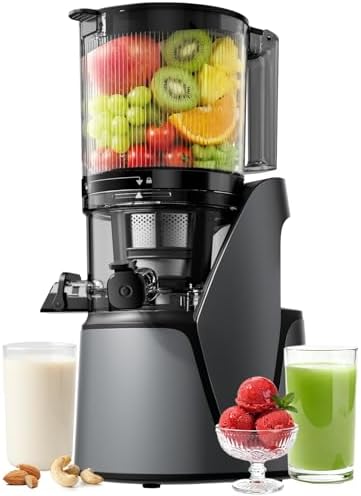
EanOruus Juicer Machines, 3-in-1 Cold Press Juicer, Premium Gray
Cold press extraction, the quietest and highest-yield approach for greens in this group
Slow, more parts to wash, and a juicer cannot turn a frozen banana into a smoothie
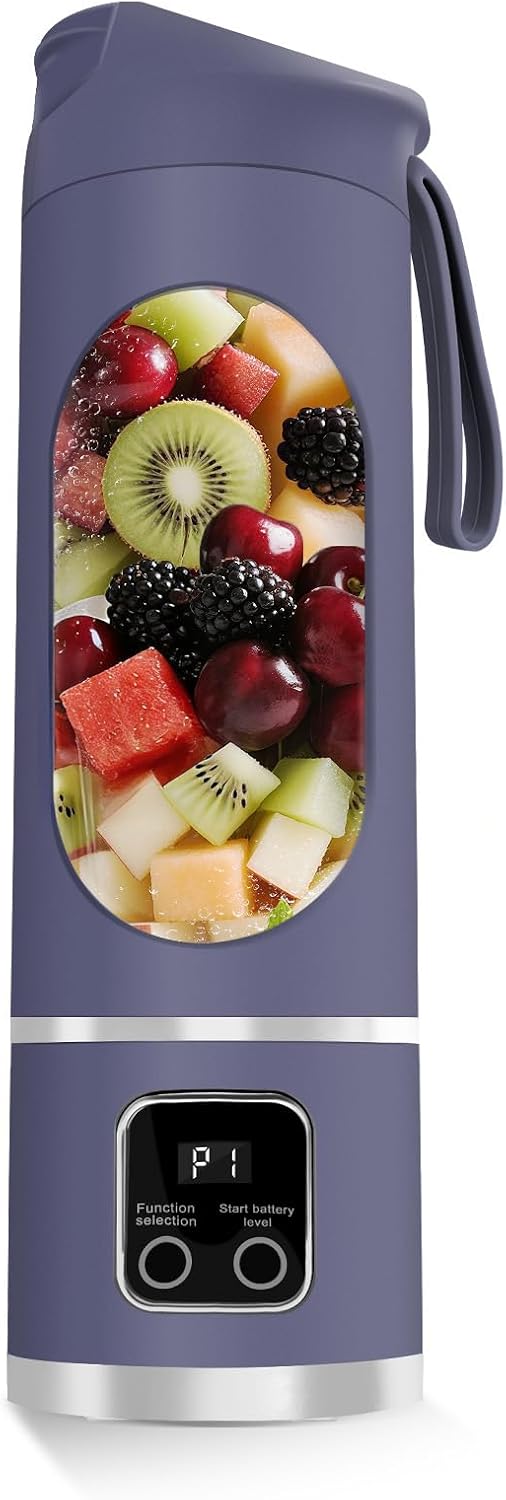
Lilogi 500ML Portable Smoothie Maker Cup with 12-Blade USB-C Juicer (Purple)
USB-C charging and a 500 ml cup, the only one here that leaves the kitchen
One drink per charge cycle, and battery-powered motors are the ones that go grainy first
Prices and availability were captured from Amazon Creators API and may change.
How I judge a blender or juicer before it earns counter space
Four machines, four different jobs, so a single score would be useless. What I do instead is run every candidate through the same checklist, and I will tell you right now that not every machine on this list clears every line. The point is knowing which line you care about.
First blend: frozen fruit and ice, no chunks. If the very first smoothie has grit in it, the machine fails and nothing after that matters. Second, blend 25. This is the number that separates a real recommendation from a spec sheet. Blades dull. Every blade dulls. The question is whether it happens after 25 blends or after five years, and that answer is what you are actually paying for.
Third, noise at full power, measured, not described. "Apartment friendly" is printed on machines that sound like a jet engine, so the only honest test is a decibel meter at the distance your neighbor's wall sits from your counter. Fourth, a full batch with the lid on. If the lid pops when you load the pitcher the way a real person loads a pitcher, it is out. Fifth, dishwasher safe on every single part, including the ones you had to figure out how to take apart yourself.
I apply that checklist to what I own and what passes through my stand. For the four machines below, I am telling you what the specs promise, what class of machine each one is, and what I would verify in the first week before trusting it with my mornings.
The batch machine: Ninja UltraCrush BP201
The Ninja UltraCrush Professional is a 1000-watt blender with a 72 oz pitcher and three speeds, and that combination puts it in a category the other three cannot reach: batch production. If you are blending for two or three people, or you prep a week of smoothies on Sunday, a 72 oz pitcher is not a luxury, it is the difference between one blend and three.
My history with Ninja is complicated in a way that is useful to you. The BL610 was the best value large blender I ever owned, and it crushed ice better than anything near its price. Then, somewhere around blend 25, my smoothies turned into what I call grainies, chewy instead of velvety, and I stopped trusting it with customers. The blades had dulled. That is not a knock on Ninja specifically, it is what happens to sharp-blade designs, and it is the reason I now log every batch instead of trusting the first one.
So the honest framing for the UltraCrush: the motor and pitcher size make it the strongest daily-driver candidate here for a household, and the thing I would watch is texture at blend 25 and beyond. Buy it because you want volume and power, not because you expect the blades to be sharp forever.
Visit on Amazon → | Visit on Amazon →
One more thing about a 72 oz pitcher, and I say this as someone who has cleaned smoothie off a ceiling: it invites overloading. You will be tempted to fill it. Tamp down instead of piling ingredients to the rim, and the lid stays where it belongs.
The small-kitchen combo: Consciot CB10
The Consciot CB10 is an 11-piece set that gives you personal blending cups and a countertop pitcher from one base, rated at 900 peak watts. If your kitchen is a rental with four feet of usable counter, this is the shape of machine that earns its rent. One base, multiple vessels, and the personal cups mean you can blend, twist off a blade assembly, cap it, and walk out the door without dirtying a pitcher.
Peak watts is where I put on my tester hat. Peak watts is the number a motor hits for an instant, not the power it holds while chewing through frozen mango. A 900 peak watt personal combo is not a 1000 watt countertop blender, and it should not be priced or trusted like one. That is fine. It is not trying to be.
The failure point on every combo kit I have handled is the connection between the cup and the base. Those plastic tabs and threads wear, and a worn connection means a cup that wobbles, leaks, or stops engaging. My Magic Bullet taught me that lesson the expensive way. When the Consciot arrives, blend something thick on day one, then check the cup for wobble after you rinse it. That is the part that decides whether this set lasts a year or three.
Visit on Amazon → | Visit on Amazon →
The cold press option: EanOruus 3-in-1
The EanOruus is the only true juicer in this comparison, a 3-in-1 cold press machine, and that changes the conversation entirely. Cold press is slower and quieter than centrifugal juicing, and it squeezes noticeably more out of leafy greens. If you juice daily, especially greens, cold press wins on yield alone. The centrifugal side of a 2-in-1 is a great first juicer for the price, but it is a different tool with a different result.
What a juicer cannot do is make a smoothie. No amount of cold press engineering will turn frozen banana and ice into a velvety drink, because the whole design is built to separate liquid from pulp, not to suspend it. If your morning is a green juice, this is your machine. If your morning is a smoothie, this is not, and no 3-in-1 marketing will change that.
The trade-off you accept with cold press is time and parts. Slower feed, more components to break down, and more surfaces to scrub. That is the price of better extraction, and it is worth it if you juice four or more times a week. If you juice once a week, a reamer for citrus and a blender for everything else will serve you better than a big machine taking up counter real estate it does not earn.
Visit on Amazon → | Visit on Amazon →
The one that leaves the house: Lilogi 500ML portable cup
The Lilogi is a 500 ml portable smoothie maker cup with a 12-blade head and USB-C charging, in purple. Twelve blades sounds like a lot for a cup this size, and that is exactly the kind of claim I want to see proven on frozen fruit, not on a protein powder and water shake. Small motors are also the ones that go grainy first, because they have the least torque to spare when the fruit is actually frozen.
Where this machine genuinely wins is logistics. It charges over USB-C, so it lives in a gym bag or a desk drawer instead of on your counter, and a 500 ml cup is one honest serving. The liquid-diet patient who taught me portion control would have loved this thing, because her first week mistake was making a full pitcher when she needed one glass.
The trade-offs are real: battery dependence, one drink per cycle, and the same cup-to-base connection wear that every personal blender eventually shows. Test the noise on blend one, and if the cup wobbles on the base after a few washes, that is your answer about how long it will last.
Visit on Amazon → | Visit on Amazon →
The trade-offs nobody prints on the box
Pitcher size cuts both ways. A 72 oz pitcher is a curse for a single person and a gift for a family. The best machine is the one that fits your countertop and your actual routine, and "bigger" is not automatically better. I preach portion control and still make a full batch on Sundays, so I understand the pull.
Aeration is the invisible variable. Some machines whip more air into a drink than others, and a protein shake that comes out half foam is a machine problem, not a recipe problem. If foam bothers you, blend shorter and slower before you blame the powder.
Heat is the other invisible one. Long runs warm the drink, and a warm smoothie is a sad smoothie. This is why I care about whether a machine finishes the job in 30 seconds or needs two minutes.
Dishwasher claims deserve suspicion. I check every part myself, including the base, because "dishwasher safe" often means "the pitcher is, and good luck with the rest."
And disassembly instructions matter more than anyone admits. A juicer with zero guidance on taking it apart is a juicer you will resent by week two.
Which one for which routine
If you blend daily for two or more people, the Ninja UltraCrush BP201 is the volume and power pick. If you have a tiny counter and a smaller budget, the Consciot CB10 gives you personal cups and a pitcher from one base. If green juice is the habit, the EanOruus cold press earns its place. If you need a smoothie at the gym or the office, the Lilogi cup is the only one that travels.
None of these four is the answer to every kitchen, and any list that says otherwise is selling you something. Match the machine to the routine, then hold it to the checklist: first blend, blend 25, noise at full power, a full batch without a popped lid, and every part washable. That is the test that decides whether you got value or just a sticker price.