I opened Pulp Cove with a six-stool counter, a thirty-dollar blender that died inside a month, and no clue that the machine mattered more than the fruit. Two smoothies a day through eight years of ER shifts taught me the routine. The stand taught me the equipment. This blender and juicer comparison covers four items that have been on my bench and my counter this fall, and they are not four versions of the same purchase. One is a personal blender for single servings. One is a replacement part that costs less than a sandwich. One is a stainless container for a Vitamix base you already own. One is a cold press juicer. I grouped them because they answer the same question: what do you actually add to a small kitchen so mornings stop being a fight.
My test sequence has not changed in years. Frozen fruit and ice on blend one, no chunks allowed. Then blend 25, because that is where dulling shows up as what I call grainies: chewy, sad, not smooth. Then a full batch in one run to see whether the lid holds. Then a decibel reading at full power, since "apartment friendly" gets printed on machines that sound like a jet engine. Then every part into the dishwasher, checked by hand, base included. Anything that fails a step is out, no matter how good the box looks.
The short answer: if you blend for one, the Ganiza personal blender is the least expensive thing here that handles a morning smoothie. If you own a KitchenAid KSB5WH, KSB5, or KSB3 whose motor runs but whose blades do not turn, the replacement coupler is the highest-value item in this article. For Vitamix owners, the stainless container ends the staining problem. And if greens are a daily habit rather than a weekend thing, the cold press juicer is the only machine here built for that job.
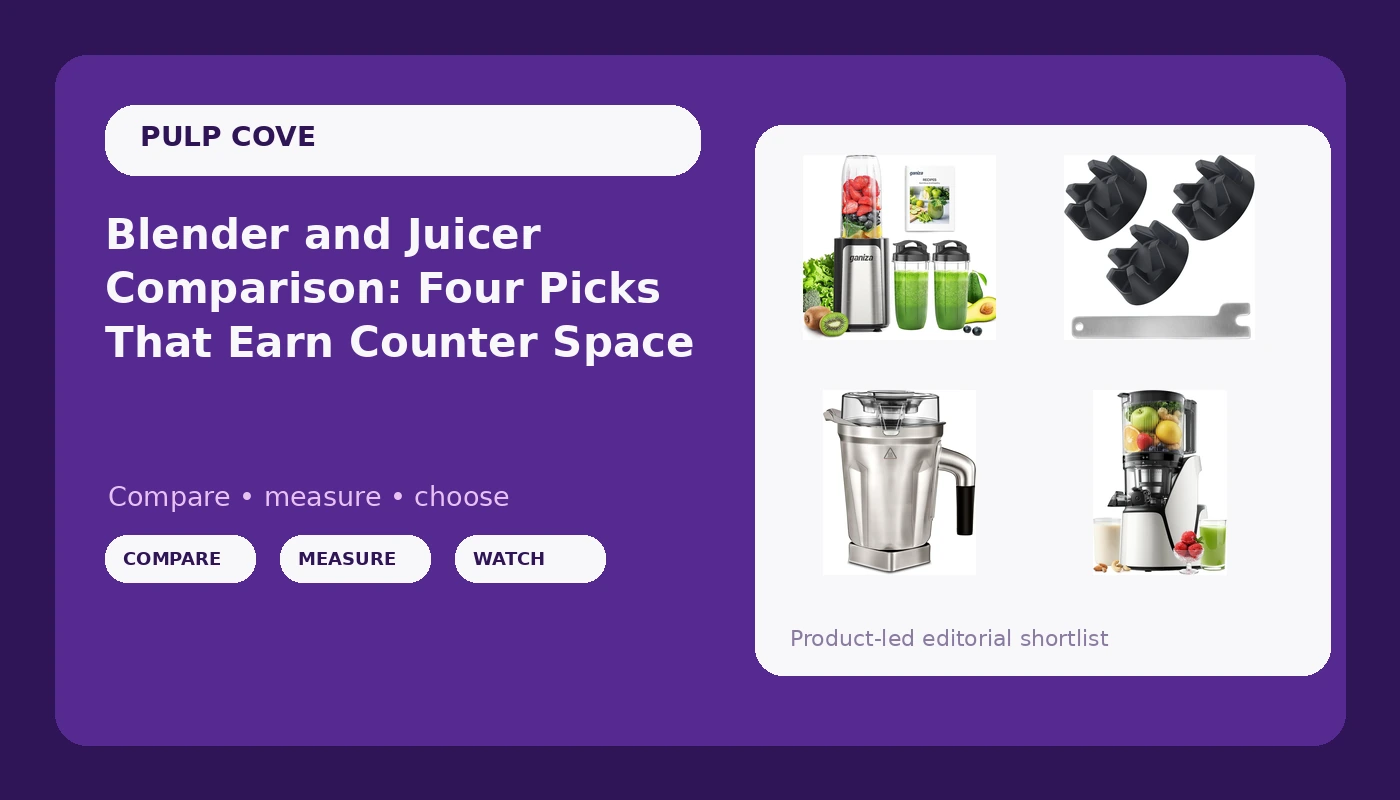
Ganiza Smoothie Blender, 14Pcs Portable Personal Blender Shakes & Smoothies
Lowest entry price here, single-serve cups, no pitcher to overload
Loud at full power, and cup-to-base connections wear before the motor does
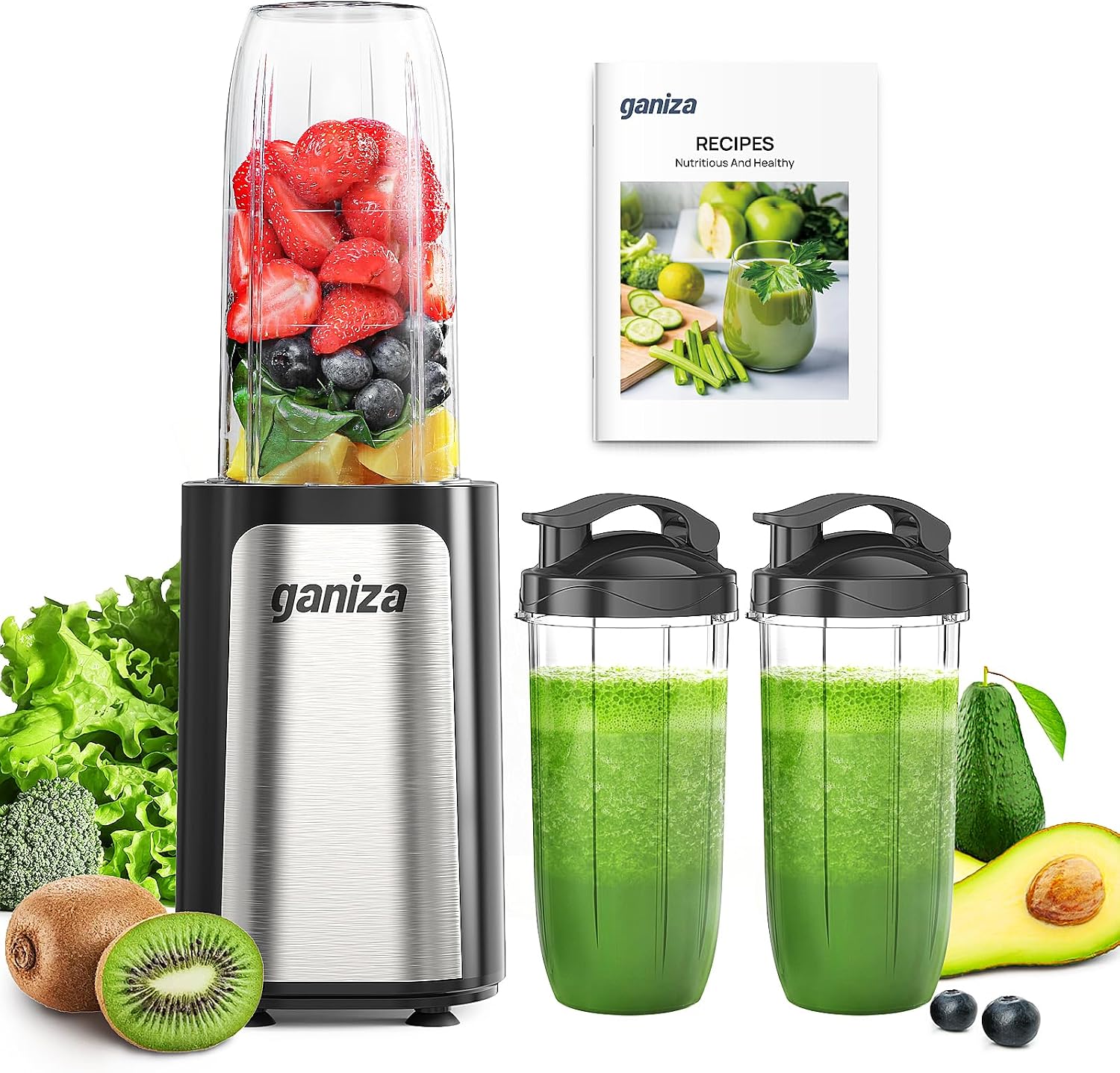
9704230 Blender Coupler Replacement Parts for KitchenAid KSB5WH KSB5 KSB3
Cheapest way to keep a working base out of the landfill
It is a repair, not a machine, and it only fits the models it names
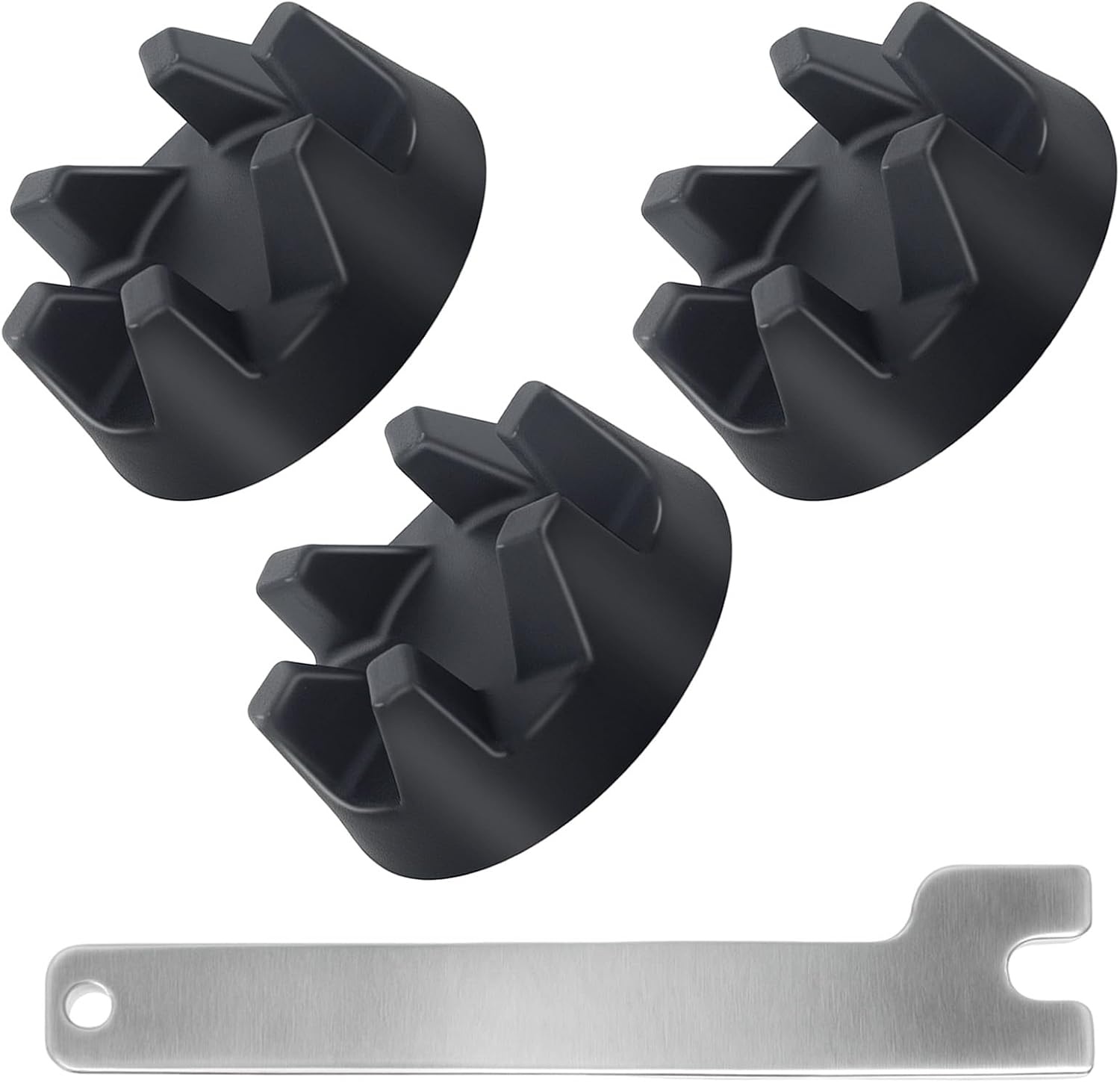
Pure Realm 64-Ounce Stainless Steel Container for Vitamix Blenders
No staining, no cracking, batch size that matches real prep
Costs more than some whole blenders, and you cannot see the vortex
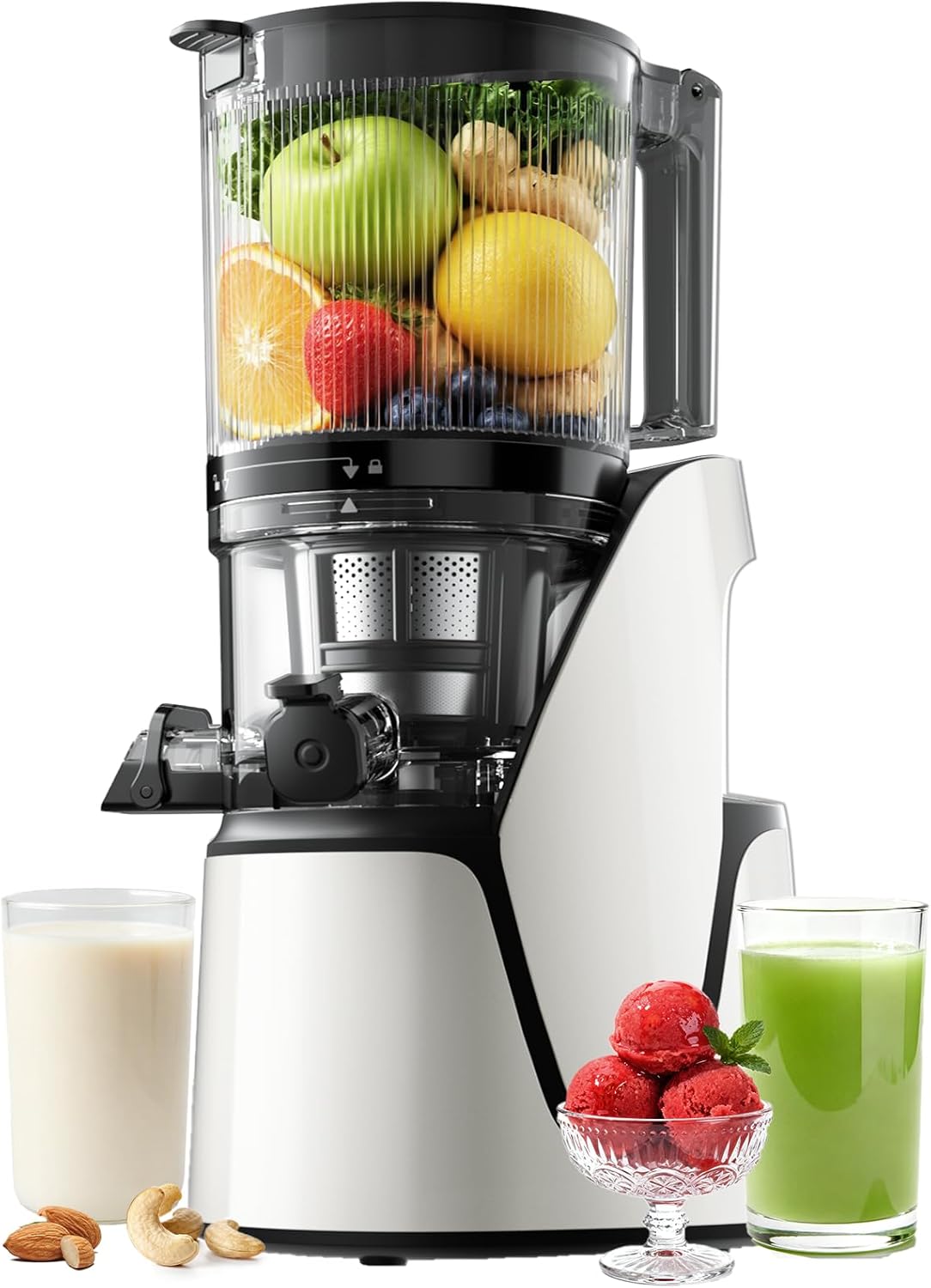
EanOruus Juicer Machines, 3-in-1 Cold Press Juicer, Bright White
Cold press yield from greens, calmer noise than centrifugal
Most expensive item here, plus prep time and pulp to manage
Prices and availability were captured from Amazon Creators API and may change.
What each of these four actually is
Worth saying plainly: three of these are machines and one is a repair. The Ganiza is a complete personal blender kit. The EanOruus is a complete juicer. The Pure Realm container is a component that assumes a Vitamix base already sitting on your counter. The coupler assumes a KitchenAid blender that has stopped spinning. If you arrived here shopping for "a blender," two of these four are the wrong shape for that question, and that mismatch is exactly why they belong in the same comparison.
The personal blender: Ganiza Smoothie Blender
Personal blenders are the most honest category in the kitchen. No pitcher to overload, no lid to pop, no excuse about batch size. You put frozen fruit in a cup, you twist, you drink. The Ganiza kit arrives as a 14-piece set, which in practice means multiple cups and lids, so you can prep two mornings at once instead of washing one cup at 6 a.m. with your eyes half open.
Where it wins: the entry price is the lowest here by a wide margin, and for one person making one drink a day, that is the entire argument. A 72-ounce pitcher is a curse for a single person. You fill it a third of the way, you whip the living daylights out of the fruit, and you pour half of it down the drain. A personal cup solves that by design.
Where it loses: noise and wear. Every personal blender I have put a meter next to at full power has been loud enough that I would not run it before 7 a.m. in a building with thin walls. The connection between cup and base is the first thing to go on any of them. Those tabs wear, the cup wobbles, then it stops engaging, then you are holding it down with your palm while it screams. Blades in this price band are the second thing to go. Blend 25 is where I start tasting grainies in personal blenders generally, and that mark has been consistent enough across machines that I treat it as the real warranty, not whatever is printed on the box.
The repair: KitchenAid blender coupler
This is the least glamorous product in the article and the one I would buy first if I already owned the machine. The coupler is the small drive piece that transfers the motor's spin to the blade assembly. It is built to be the sacrificial part. When a blender jams on a frozen block or a spoon gets in there, the coupler strips so the motor does not burn out. Which means the classic failure looks like this: the base hums, the blades sit still, and the machine gets declared dead when it needs a part that costs less than lunch.
Where it wins: it is the cheapest way to keep a good base out of a landfill. If you have a KitchenAid KSB5WH, KSB5, or KSB3 parked in a cabinet because it stopped turning, the coupler is the first thing to check. The fix is a screwdriver job, not a soldering job.
Where it loses: it is not a blender. It does not help if the motor is genuinely gone, it only fits the models it names, and it asks you to open the base, which is the exact task that scares people off. My advice is the same one I give about juicers: photograph every step as you take it apart, because reassembly instructions are the thing manufacturers forget to include.
The container: Pure Realm 64-ounce stainless steel
If you own a Vitamix base, you have already paid the expensive part of the equation. The container is the piece that takes the abuse: turmeric, beet, frozen mango, ice, year after year. Plastic containers cloud, hold onto color, and eventually crack at the collar. Stainless does none of that.
Where it wins: it does not stain, it does not take on the smell of last week's green juice, and it does not care about turmeric, which is the single most staining thing I put in a blender. For anyone doing batch prep on Sunday for the week ahead, 64 ounces is the size that matches a full base of fruit rather than a single serving.
Where it loses: price and visibility. This container costs more than some entire blenders, which sounds absurd until you price a plastic replacement from the original brand. And stainless is opaque, so you cannot watch the vortex to know when to tamp down. You learn to go by sound, which is a real adjustment if you have blended in front of a clear pitcher for years. It is also heavier in the hand than plastic, and you notice it on the mornings you are pouring for a crowd.
The juicer: EanOruus 3-in-1 cold press
Cold press is slower and quieter than centrifugal, and it squeezes noticeably more out of greens. That is not marketing. It is the difference between shredding a leaf against a spinning disc and crushing it. If you juice kale and spinach daily, this is the category that wins, and the EanOruus is a cold press machine in a bright white body that will either match your kitchen or dominate it.
Where it wins: yield from greens, and a much calmer noise profile than a centrifugal juicer, which is the machine that made me stop juicing in the morning back when I lived in an apartment. For anyone drinking green juice as a habit rather than a treat, the extra yield per bunch of kale is the number that matters, and it is the reason cold press owners tend not to go back.
Where it loses: price and time. This is the most expensive item in the comparison, it asks you to prep and cut produce, and it leaves you with pulp to deal with. Cold press is a ritual, not a shortcut. If your juice habit is one glass of orange juice on a Saturday, a simple reamer beats this on countertop real estate every single time.
The trade-offs, stated plainly
Rank these four by what they solve, not by what they cost, because the price order and the usefulness order are completely different.
If you want the cheapest possible path to a velvety morning smoothie for one person, the Ganiza personal blender is the answer, with the caveat that you are buying an entry-price machine and should expect entry-price noise and connection wear. If you want the cheapest possible path to a working blender you already own, the coupler is the answer, and nothing else in this article comes close on value per dollar. If you own a Vitamix base and you are tired of a stained, cloudy pitcher, the stainless container is the upgrade that changes how the machine feels to use every day. If you drink green juice daily, the cold press juicer is the only one of the four that does the job you are actually asking for.
What I would not do is buy two of these hoping one covers for the other. A personal blender is not a juicer. A juicer is not a blender, no matter what the marketing copy says, and a container is not a base. The kitchens I have seen fail are the ones with four half-purpose machines on the counter and no room left to cut an onion.
What I am logging next
The 25-blend durability log is still running on the personal blender, and the decibel meter is going to get a workout, because noise is the complaint I hear most from people in apartments and the spec sheet never tells the truth about it. I will also be checking every part of the juicer for dishwasher safety by hand, since "dishwasher safe" on the box and "dishwasher safe" in my sink are two different claims. When the log fills up, the grainies will tell me what the sticker price could not.
If you take one thing from this comparison, take the test sequence rather than my verdict. Frozen fruit and ice on blend one. Blend 25. A full batch. A decibel reading. Every part in the dishwasher. Run that on whatever you are considering, and you will not need anyone's short answer, including mine.