Related: Best Personal Blender for a Small Kitchen
I have made a living off frozen fruit. Eight years as an ER nurse, blending a fruit smoothie at 6 a.m. and a veggie smoothie in the afternoon because I wanted the fiber left in, not stripped out. Then I quit and opened a six-stool smoothie stand called Pulp Cove, and that is when blenders stopped being appliances and became my job.
So when someone asks me about the best blenders for smoothies, I do not answer with a spec sheet. I answer with a number: blend 25. That is usually where the story turns. A machine can crush ice beautifully on day one and still disappoint you by week three, because blades dull and dull blades make chewy smoothies. I have a word for those. Grainies. I have watched a perfectly good smoothie go from velvety to sad in the time it takes to notice.
This guide is the four machines I keep coming back to, and I am going to be honest about who each one is actually for. Countertop real estate is real estate, and a 64 oz pitcher is a curse for a single person. A blender that fits your routine beats a blender with better numbers, every time.
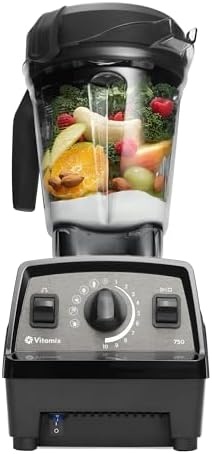
Best Overall: Vitamix Propel Series 750
The Propel Series 750 is the machine I reach for when someone orders a green smoothie with kale, frozen mango, and ice and I want it done in one pass, no chunks, no tamping, no second run. It is professional grade, it runs four programs, and it does the thing that separates a premium blender from everything below it: it does not rely on sharp blades. There is nothing to dull, because it blends with power and speed instead of an edge that fades.
That is the whole argument for paying premium money. I eventually bought a Vitamix after years of nursing a mid-range machine through its decline, and I have never once regretted it. I make flour in it now, which tells you what the motor does to dry goods, let alone frozen fruit.
The honest downsides are the ones nobody puts on the box. It generates heat, so if you run it long on a liquid-diet shake you can warm the drink up more than you wanted. And it whips air in. Protein shakes come out foamier than you expect, and if you hate foam, you will notice. It is also the biggest line item here. Check current Amazon price.
Best for Big Batches: Cleanblend Commercial Blender
The Cleanblend Commercial is the batch machine. An 1800-watt, 3HP motor, a 64 oz pitcher, stainless steel blades, and a 5-year full warranty. If you have ever done the math on value the way I do it, price divided by how many velvety smoothies you get before things turn to grainies, the warranty is the headline, not the wattage. Five years of full coverage on a motor this size is the manufacturer betting on its own blade and bearing life.
The 64 oz pitcher is the reason this one earns counter space in a house that preps for the week. Sunday batch prep, a full pitcher of green smoothie portioned into jars, and you are done. That is the routine it was built for.
The catch is that a big pitcher invites overloading. I have seen the lid pop on full batches more times than I can count, and it is almost never the machine's fault. Tamp down. Push the stubborn frozen fruit toward the blades with the tamper instead of piling the pitcher to the brim and hoping. It is also loud at full power, and it takes up a serious footprint. Check current Amazon price.
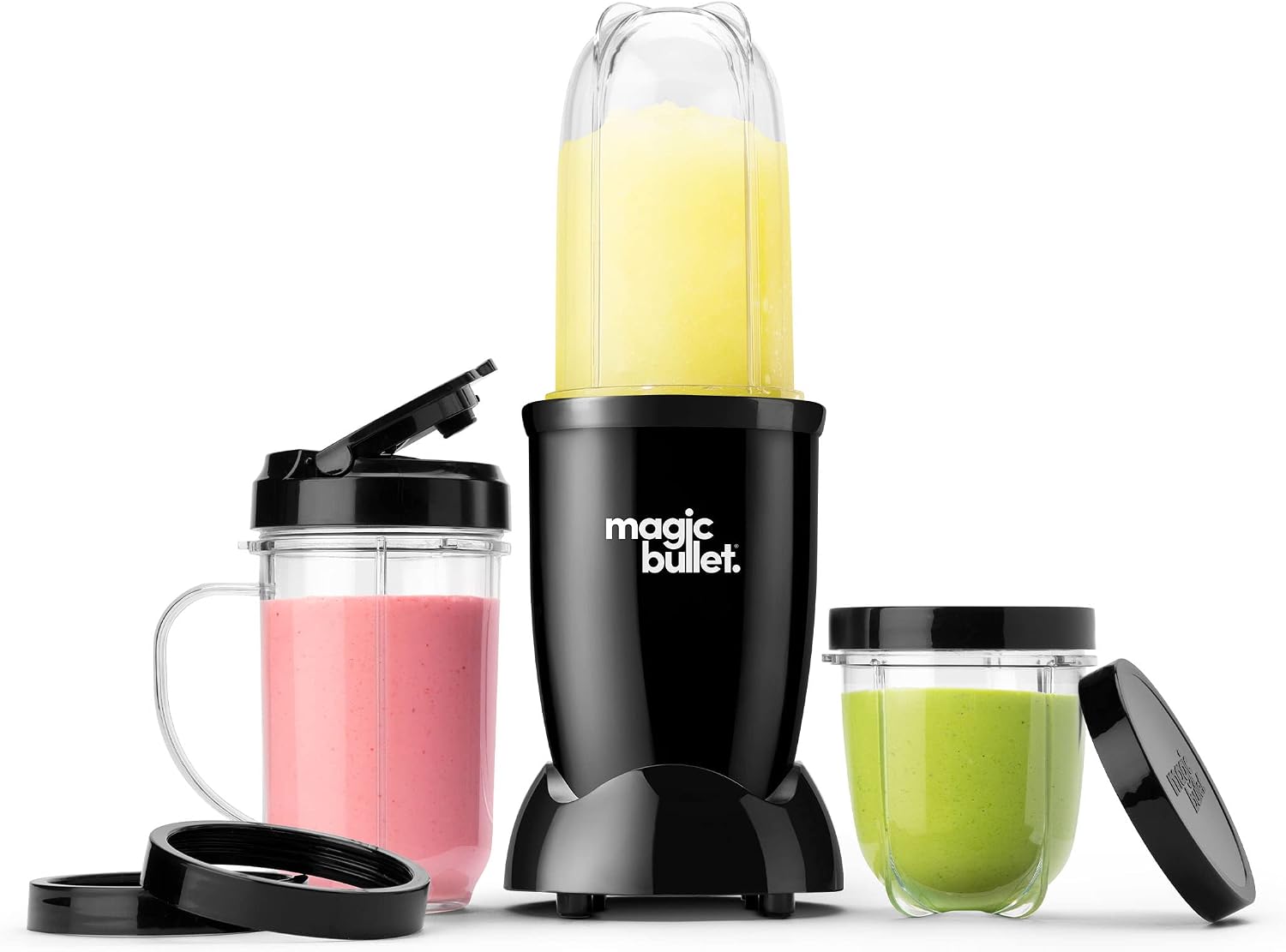
Best Personal Blender: magic bullet 11 Piece Set
The magic bullet is the classic personal blender, and for on-the-go shakes it is well worth the price. It is small, black, and the 11-piece set means you get the cups and blades you actually use instead of a box of accessories that live in a drawer. Cleanup is quick, which matters more than people admit. The blender you clean without dread is the blender you use on a Tuesday when you are already late.
Here is the part the box will not tell you. It is not apartment friendly. I have described the sound as a jet engine and I stand by it. My neighbor knocked on my door during Magic Bullet season to ask what the noise was, and apartment walls did not stop it. If you blend at 6 a.m. and share a wall, you will be apologizing, and I say that as someone who does exactly that.
The other long-term issue is the connection points between the base and the cup. They wear out. A wobbling cup on a worn base is how these machines eventually retire, not a burnt-out motor. Treat the threads and the tabs well and you will get more mornings out of it. Check current Amazon price.
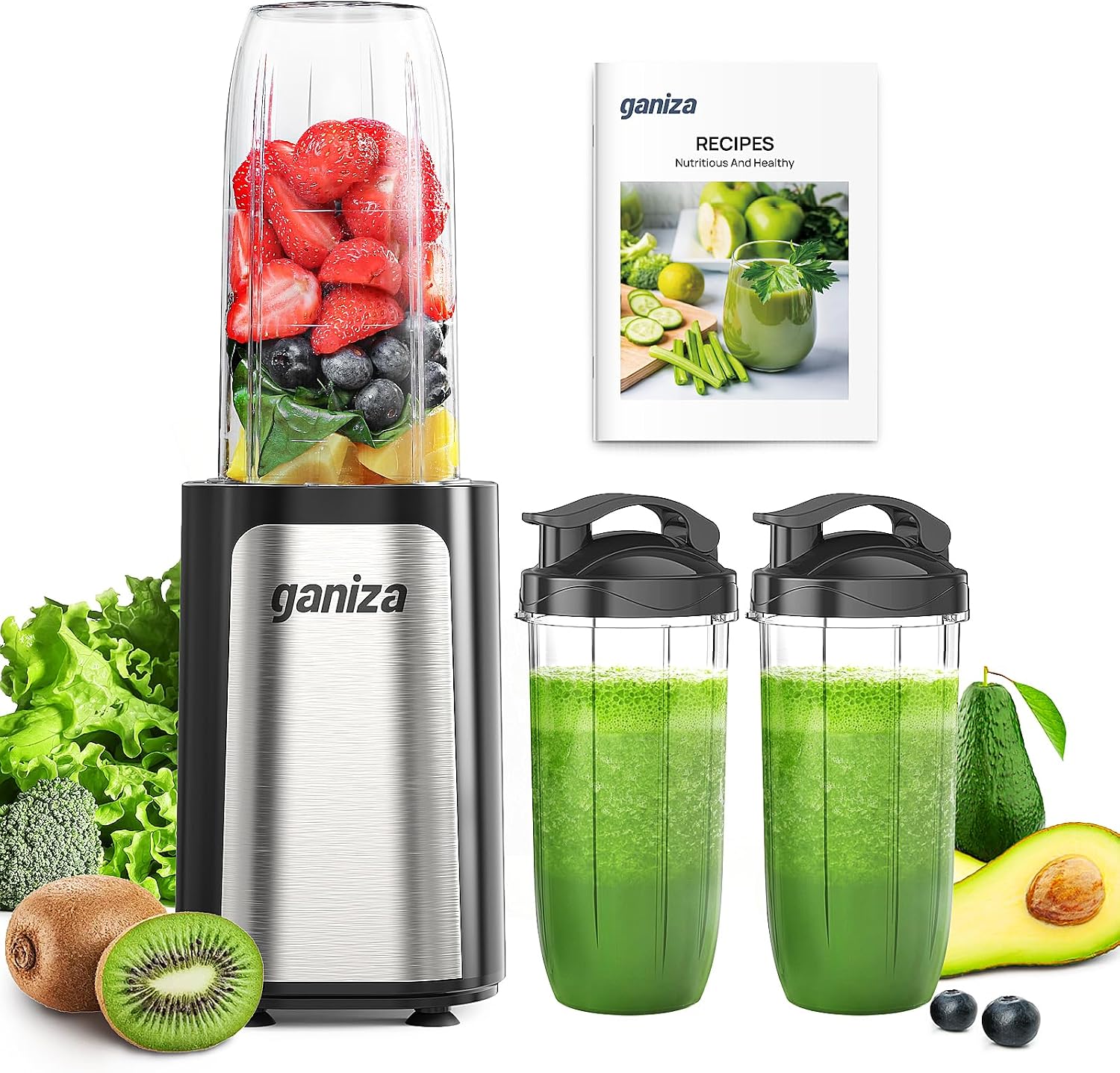
Best Budget Portable: Ganiza Smoothie Blender
The Ganiza is the entry point. A 14-piece portable personal blender set, built for shakes and smoothies, priced like a kitchen experiment rather than a commitment. If you are not sure you are a smoothie person yet, this is the machine that answers the question without costing you a premium motor you might never use.
I like the 14-piece framing because portion control is the thing beginners get wrong. The liquid-diet patient who taught me the most about blending made way too much her first week and froze the leftovers, and a personal blender with several cups naturally keeps you honest about serving size. Blend one, drink one.
What I will not do is pretend a budget personal blender is a Vitamix. It is not. A personal blender's "smooth in seconds" claim only counts on blend one. So test the two things that fail first: the noise at full power, and the connection points between the cup and the base. If the cup wobbles on day one, send it back. If it sounds like something you would not want running at 6 a.m., believe yourself the first time. Check current Amazon price.
The blender comparison table
This is the table I keep taped inside the stand's cabinet, and it is the same one I use when someone texts me from the store asking which one to put in the cart. Best for is the routine, not the spec sheet.
| Blender | Best for | What it brings | Watch out for | Price |
|---|---|---|---|---|
 Visit on Amazon → Vitamix Propel Series 750 |
Daily blending, greens, frozen fruit, ice | Professional-grade motor, 4 programs, blends with power and speed rather than sharp edges | Foamier drinks from aeration, and long runs heat the smoothie up | $498.95 |
 Visit on Amazon → Cleanblend Commercial Blender |
Batch prep, feeding a crowd, week-ahead jars | 1800W, 3HP, 64 oz pitcher, stainless steel blades, 5-year full warranty | Big footprint, loud at full power, lid pops if you overload instead of tamping down | $179.97 |
 Visit on Amazon → magic bullet, 11 Piece Set |
One shake at a time, tiny kitchens, fast cleanup | Compact, easy to clean, 11-piece set with the cups you will actually use | Jet-engine loud, and the base-to-cup connection points wear out over time | $28.47 |
 Visit on Amazon → Ganiza Smoothie Blender |
First personal blender, budget mornings, on-the-go shakes | 14-piece portable set, small footprint, low entry cost | Entry-level motor, so test the noise and the cup connections early | $29.99 |
How I test blenders
Every machine gets the same six questions, and I do not skip one because a blender is on sale.
First, the frozen fruit and ice test. A blender's job is one thing: turn frozen fruit and ice into something velvety, with no chunks, every single time. Everything else is marketing. If blend one has chunks, it fails, and I do not care how pretty the pitcher is.
Second, the blend 25 check. Blades dull. Every blade dulls. The question is whether it happens after 25 blends or after five years, and that is the number that decides the price. I log batches and taste for grainies, because chewy is the failure mode nobody warns you about.
Third, noise at full power. I run a decibel meter because "apartment friendly" means nothing until a machine is at full tilt in a real kitchen. Fourth, the full-batch lid test. Overload the pitcher and see if the lid holds. If it pops, it is out.
Fifth, heat and aeration. A 60-second run should not turn your smoothie warm, and it should not turn a protein shake into half air. Sixth, cleanup and disassembly. Every part gets checked, including the base, before anyone writes the words dishwasher safe. I have taken apart juicers with zero disassembly instructions in the box. I figured it out. You will too, but you should not have to.
What the tests actually show
The gap between a budget personal blender and a premium machine is not smoothness on day one. Almost everything crushes a banana. The gap is what happens at blend 25, and how much of your morning the machine takes with it.
Blade wear is the quiet killer. A machine with sharp blades and a modest motor feels incredible in week one, and by week three you are drinking texture. That is why I stopped trusting first-blend reviews, including my own. Premium machines sidestep the problem by not depending on the edge at all, which is why the Vitamix argument survives every price comparison I run.
Power and pitcher size are two different purchases. A 64 oz pitcher is a gift if you batch prep and a burden if you live alone, because a big pitcher tempts you to overfill, and overfilling pops lids. Tamp down, run what fits, and the Cleanblend is a workhorse. Fill it to the brim because it is there, and you will be wiping smoothie off the cabinets.
Noise is a feature you pay for. It is also the spec nobody prints, which is why I keep a decibel meter and why I keep warning people about the personal blenders that sound like a jet engine. If you share a wall, blend later or buy quieter.
Finally, value is not the sticker price. It is the price divided by how many velvety smoothies you get before things go grainy. A cheap machine that dies in a month is the most expensive blender in the store, and I learned that one the hard way with a $30 model that did not survive the first month.
Should you buy the Vitamix Propel Series 750?
Yes, if you blend daily. It does not rely on sharp blades, so there is nothing to dull, and it handles greens, frozen fruit, and ice in one pass with four programs doing the thinking for you. It whips in more air than you would expect, and a long run warms the drink, so protein shakes come out foamy and hot-ish if you push them. If you blend once a week, save your money. If you blend every morning, this is the one that will still be velvety at blend 500.
Should you buy the Cleanblend Commercial Blender?
Yes, if you batch prep or feed a crowd. The 1800-watt, 3HP motor, the 64 oz pitcher, and the 5-year full warranty are a serious package, and the warranty is what makes the value math work. Just respect the pitcher. Tamp down, do not overload, and expect to hear it from the next room at full power. If your kitchen counter is already crowded, measure before you buy.
Should you buy the magic bullet?
Yes, if you make one shake at a time and want cleanup to take thirty seconds. The 11-piece set is genuinely useful and the size is right for a small kitchen. Two things to know going in: it is loud enough that your neighbor will ask questions, and the connection points between the base and the cup wear out over time. Treat those parts gently and it will carry a lot of mornings.
Should you buy the Ganiza Smoothie Blender?
Yes, if you want to find out whether you are a smoothie person without spending premium money. The 14-piece portable set covers shakes, smoothies, cups, and lids, and the portion control is built in. Test the noise and the cup connection points in the first week, and if the cup wobbles or the sound is more than you can live with, return it. That is the honest deal with a budget personal blender.